
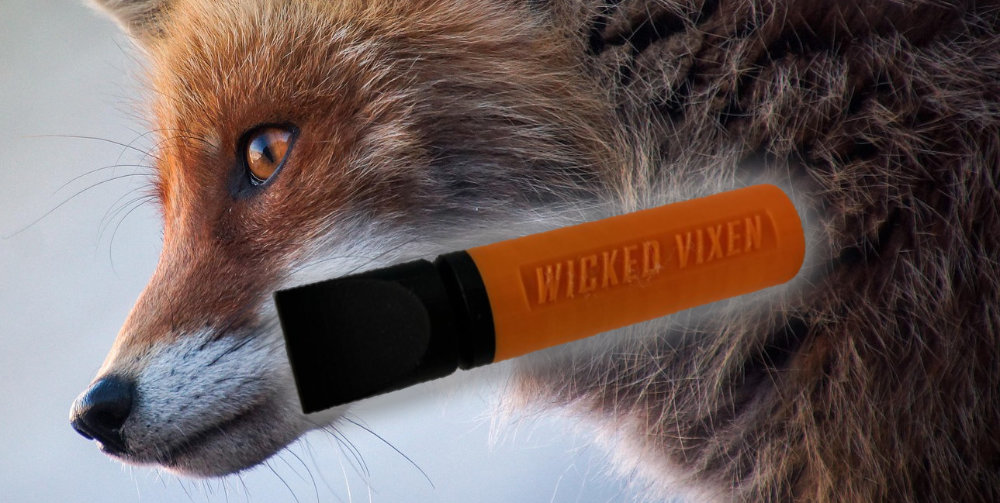
For decades, manual fox callers have been at the heart of British predator control. From the classic “squeak on the back of the hand” to handmade wooden distress calls, the craft of calling foxes has always relied on skill, breath control, and a bit of fieldcraft magic.
Now, a brand-new range of manual callers has finally landed in the UK, and they’re causing real interest among keepers, stalkers, and foxers who prefer the traditional approach. These new callers combine modern materials with proven sound profiles, offering consistency and realism that can make the difference on a tricky night.
Why Manual Callers Still Matter
In a world of thermal riflescopes and long-range optics, it can be easy to overlook the humble hand caller. But manual calls remain incredibly effective because:
- They allow precise control of pitch and emotion
- They’re lightweight and silent to carry
- They never need batteries
- They sound natural and “alive”, especially at close range
- And crucially, foxes never stop responding to them
What Makes This New Range Stand Out?
1. High-Quality Materials
Instead of cheap plastic or inconsistent wooden bodies, these callers are made using stabilised woods, polymers, and precision-cut reeds. This gives:
- Sharper, cleaner tones
- Better durability in wet UK weather
- Repeatable sounds even after months of use
2. Realistic UK-Focused Sounds
The designers clearly studied what works on British foxes. The range includes:
- Rabbit distress calls (perfect for winter lamping)
- Vole and mouse squeakers for close woodland work
- Hare squeals for longer-distance calling
- Bird distress calls — brilliant during summer cub control
3. Easy for Beginners, Flexible for Experts
One of the most impressive aspects is how forgiving these callers are. New shooters often struggle with consistency, but these models strike a good balance:
- Wide reed tolerance means fewer “off notes”
- Smooth airflow makes call control easier
- More advanced callers can still push volume or emotion to suit the situation
4. Designed for British Weather
Let’s be honest: foxers operate in some awful conditions. These callers are fully prepared for it:
- Weatherproof coatings
- Reeds that don’t warp in damp conditions
- Non-slip grip textures for cold nights with gloves
Field Tested: Early Impressions
A handful of gamekeepers and pest controllers were given pre-release samples, and their feedback has been extremely positive:
- “Closest I’ve heard to a real rabbit in years.”
- “Foxes came straight in without circling.”
- “The vole squeak is deadly in woodland rides.”
Which Callers Are in the Range?
Close-Range Coaxers
Small reed-based squeakers for subtle, mouse-like sounds — perfect for rides and hedgerows.
Mid-Range Distress Callers
General-purpose rabbit or small mammal distress calls — the workhorses of the range.
High-Volume Hare Callers
For windy nights, large fields, or when you need to reach out across open ground.
Final Thoughts
This new range of manual fox callers is a refreshing addition to the UK market. Traditional callers remain one of the most exciting and authentic parts of foxing — there’s nothing quite like coaxing a dog fox across stubble with nothing more than a breath and a reed.
If you prefer the simplicity, control, and pure fieldcraft of hand calling, this new lineup is well worth a place in your jacket pocket. No batteries, no menus — just honest, effective calling that speaks the language foxes always understand.